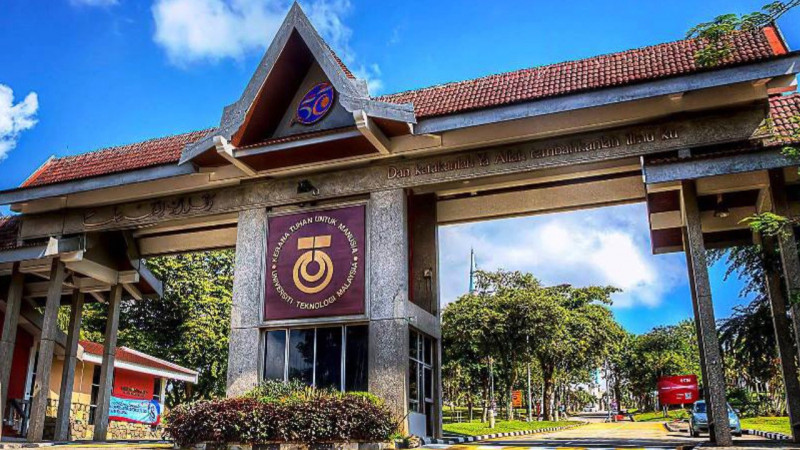
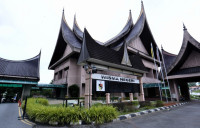
A PROMINENT academic has condemned Universiti Teknologi Malaysia’s (UTM) newly issued Culture and Arts Policy, calling the guidelines “extremely regressive” and a distraction from the university’s core educational mission.
The circular, which has circulated widely on social media, sets out a series of restrictions on cultural performances within the university.
It prohibits mixed-gender performances, mandates that women’s performances be viewed only by female audiences and requires performers to dress according to Islamic guidelines.
It also emphasizes that music should be “soft and Malay in rhythm” and that performances must uphold “high moral standards.”
A misplaced priority
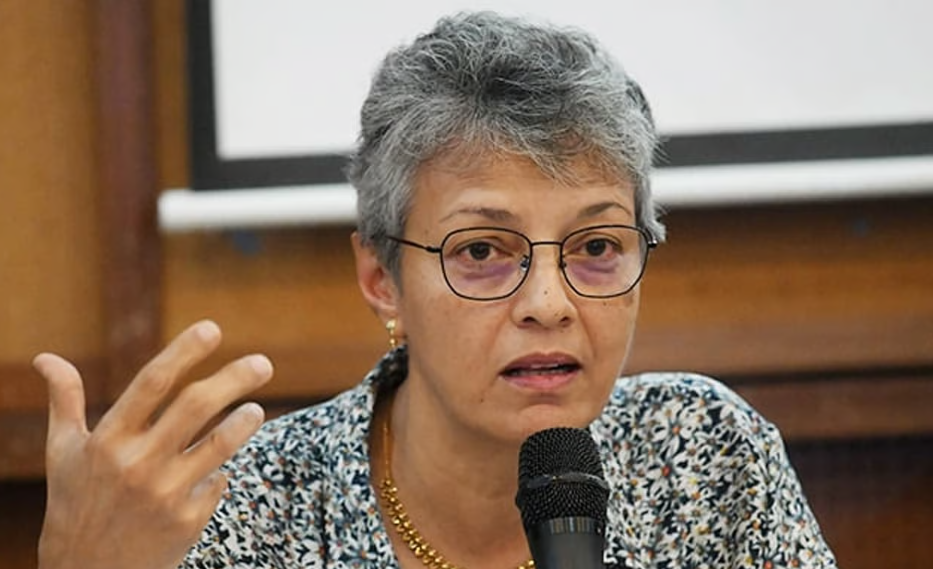
Dr Sharifah Munirah Alatas told The Vibes that the university should focus on addressing the ongoing decline in academic quality rather than imposing such restrictive cultural rules.
“Instead of the university focusing on more immediate and crucial problems like the fundamental decline in academic quality and graduates, we are focusing on such matters. This circular should be quashed,” said the former Deputy Director and Principal Research Fellow at the Allianz Centre for Governance at UM.
She questioned the logic behind gender segregation in performances, arguing that proper dressing and respectful conduct should be sufficient safeguards.
“If everyone adheres to correct dressing and behaviour, leave it at that!” she said.
Dr Sharifah also criticised the moral tone of the circular, highlighting its ambiguity and the double standards it reflects.
“Too many immoral acts are perpetrated by religious men in tahfiz schools, and against boys. Shouldn’t our resources be channelled into fixing that crisis instead?” she remarked.
She further questioned the subjectivity of the phrase “bermoral tinggi” (high moral standards), asking who the ultimate arbiter of morality in such cases would be.
“Such an ambiguous term — who is to decide what is ‘high morals’?” she asked.
Concerns over cultural exclusion
One of Dr Sharifah’s strongest criticisms was directed at Clause (G) of the circular, which prohibits “external cultural groups” from performing on campus without permission from the Vice-Chancellor.
She warned that this clause could effectively exclude non-Malay cultural performers.
“UTM better clarify this, because ‘kumpulan budaya luar’ could very well mean non-Malays,” she cautioned.”
“Does UTM mean to prevent cultural performances by the Orang Asli, Iban, Dayak, Indians, Chinese, and all our other bumiputera groups from participating on its campus grounds?”
She stressed that such restrictions contradict Malaysia’s multicultural fabric and constitutional guarantees.
“This is most unacceptable because it goes against the spirit of diversity and unity in Malaysia. It is unconstitutional, regressive, and unacceptable.”
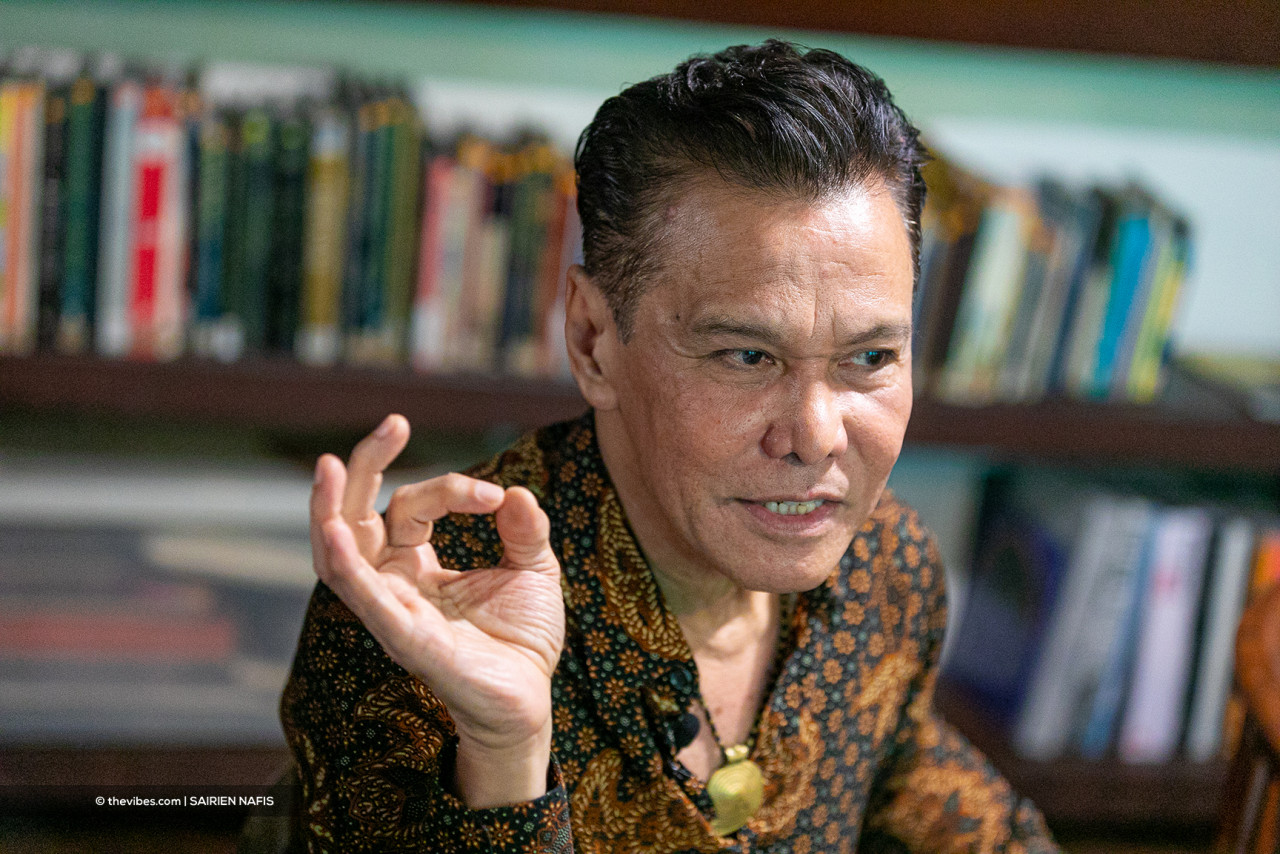
About four years ago, Sutra Dance Theatre artistic director Datuk Ramli Ibrahim had called out the decision-makers at Universiti Teknologi Malaysia’s (UTM) Islamic centre for having a “narrow mindset” and being “bigoted”.
Ramli’s response follows the university's move to cancel his scheduled at the university on the advice of its Islamic centre.
"The only party who would deem a talk by me offensive “would most likely be the bigoted persons at the Islamic centre.
“It is vital that students are prepared to encounter multiculturalism when they leave, as opposed to the starkly monocultural environment at UTM. As part of exposure, it would be good for students to be familiar with the cultural diversity of the real world.
“This is clearly an unacceptable and weak excuse of a narrow mindset, one that is clearly out of step with the prevailing worldview and should never be allowed to be in charge of educating our youth," he had said.
The national cultural icon, world-renowned for his art form, said dialogues that transcend racial and cultural barriers should be encouraged by all education institutions.
Ramli had been invited to the “Perkongsian Seni Tarian Merentas Bangsa” talk organised by UTM students.
In response, the varsity said it did not want to “offend any party”, and that its Islamic centre advised against the talk citing the “suitability factor”.
It added that UTM guidelines stipulate that any cultural and arts programme must be referred to and approved by the said centre.
.jpeg)
UTM responds, says it honours and celebrates unity and diversity of races
In response, UTM in a statement issued today said it has taken note of the circular which has since gone viral and that it honours and celebrates the unity and diversity of races, cultures, religions and heritage that make up the strength of the campus community.
"In the UTM Culture and Arts Policy, the term "foreign culture" refers to cultural elements that are not in line with the institutional values and cultural practices of the Malaysian society.
"The term does not refer to any culture, tradition or community in the country, but refers to the need of universities to ensure that every cultural and artistic activity is grounded in pure values and local identity.
"Cultural and artistic activities are encouraged with modesty, etiquette, and mutual respect, with sensitivity to the cultural diversity of campus citizens," it said.
UTM said the goal is to form self-discipline and self-discipline; cultivate creativity, innovation and leadership; promote self-well-being; nourish science excellence through art and culture; and strengthen UTM's cultural identity as an inclusive institution.
"UTM remains committed to providing a harmonious environment and open to feedback to ensure policies and practices remain relevant and to support the university’s aspirations as a global higher education leader," it said.
Circular needs greater clarity, says lawyer
Constitutional lawyer Haniff Khatri Abdulla is of the opinion that the university’s guidelines were never intended to prohibit non-Malay students from participating in performances.
Instead, he opined, the circular could specifically have been meant for Malay Muslim students who wished to organise artistic performances on campus.
“It was not designed to prevent non-Malays from performing in my opinion. Its purpose is solely to guide Malay Muslim students who plan to hold performances,” he said.
Haniff, however, urged Universiti Teknologi Malaysia (UTM) to issue a clearer explanation to prevent further misunderstanding.
“The university should clarify that the circular applies only to Malay Muslim students, and that non-Malay students are not restricted from holding performances, as long as they comply with the university’s general guidelines,” he added.
Universities should be expanding minds
Chairman of the Sekhar Institute, Datuk Dr Vinod Sekhar stressed that UTM should not take Malaysians for fools and this sudden attempt to whitewash the circular with vague explanations insults the intelligence of the people.
“Malays – and all Malaysian students – do not need to be taught how to respect or participate in a friend’s cultural celebration. “We’ve lived this multicultural reality our entire lives. To imply otherwise is not only idiotic, but also dangerous,” he said.
He added that universities should be expanding minds, not shrinking the Malaysian spirit. – November 16, 2025










.jpg)